




Visitation open
* The tours may be cancelled or have their itinerary changed at any time.
Visitation open
* The tours may be cancelled or have their itinerary changed at any time.
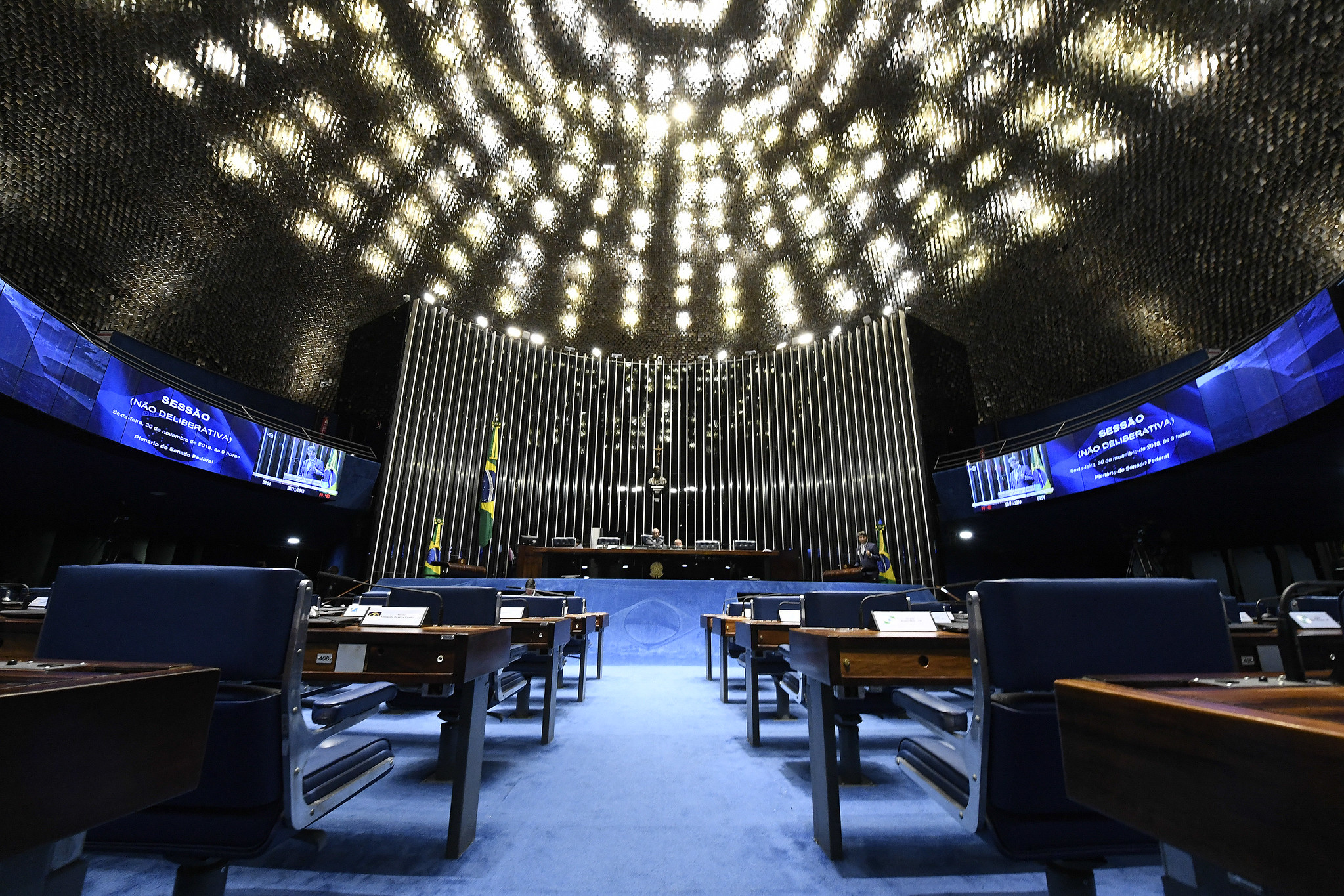
Discover the Federal Senate and the Chamber of Deputies
Tour buses and private vehicles may park at Alameda dos Estados, the road on the Esplanada dos Ministérios located directly in front of the National Congress Palace, distinguished by the display of the flags of the Brazilian states. In any case, the use of public transportation, taxis, or ride-sharing services is recommended, as parking capacity is limited.
Drop-offs are permitted both at the foot of the National Congress ramp and at the Cloakroom (Chapelaria) entrance. Vehicles may drive down Alameda dos Estados to drop off visitors; however, parking is strictly prohibited in that specific area.
Visitors with a designated disability parking permit (identified as "Pessoa com Deficiência" or "PcD") may park in the reserved spaces located at the Cloakroom.
Is the visit to the National Congress accessible for people with disabilities? Yes. The Visit the Congress Program provides accessibility resources and services to offer a more inclusive and welcoming experience. Available resources include assistance in Brazilian Sign Language (Libras), mobility aids, earplugs, the sunflower lanyard, communication accessibility resources, and a Sensory Accommodation Room.
Do I need to inform them in advance that I am a person with a disability? It is not mandatory. However, if you need a specific resource or assistance during your visit, it is recommended to inform the team at the time of scheduling or before the tour begins. This allows the team to organize and provide the appropriate support.
Is Libras interpretation available during the visit? Yes. Libras assistance is available in person and through the Remote Libras Service Center, which enables communication via video call with a Libras interpreter. For guided tours with specific Libras assistance, it is recommended to schedule in advance by emailing visite@senado.leg.br or visitas@camara.leg.br.
Does Congress provide wheelchairs or other mobility aids? Yes. Manual wheelchairs, motorized tricycles, and motorized quadricycles are available to assist people with reduced mobility, subject to equipment availability. If you need one of these resources, please ask a member of the visitor services team.
What is the Sensory Accommodation Room? It is a welcoming and quiet space designed for people who need a break, a reduction in sensory stimuli, or sensory self-regulation during their stay at the Federal Senate. The room features resources that assist with sensory regulation and can be used by visitors who have this need during their visit.
Who can use the Sensory Accommodation Room? The room can be used by anyone who needs an environment with fewer stimuli to recalibrate and resume their activities. Its use is not exclusively for autistic individuals or people with disabilities.
Do I need to present a medical report or proof to use the Sensory Accommodation Room? No. The presentation of a medical report, diagnosis, or any other proof is not required to use the room.
Can a person enter the Sensory Accommodation Room with a companion? Yes. When necessary, the user may be accompanied by a family member, caregiver, or trusted person.
What happens if a visitor has a crisis or feels unwell during the visit? The team responsible for the tour can guide and activate the appropriate support according to the situation. When there is a need for reduced stimuli and self-regulation, the visitor may be directed to the Sensory Accommodation Room. Situations requiring medical attention will be forwarded to the responsible health services.
Does Congress provide sunflower lanyards? Yes. The sunflower lanyard is available for visitors who wish to use it as a voluntary identification tool for a hidden disability or non-apparent condition. The use of the lanyard is optional and does not replace documents or proof when legally required.
Can blind or low-vision people take the tour? Yes. The tour route features communication accessibility resources in certain spaces and artworks, including audio description, simultaneous description, and Braille information. If you need specific assistance, it is recommended to report this need when scheduling, via visite@senado.leg.br or visitas@camara.leg.br.
How does drop-off work for people with disabilities or reduced mobility? On weekdays, the drop-off for people with disabilities or reduced mobility can be done at Annex I of the Federal Senate, facilitating access to the starting point of the tour. On weekends and holidays, access is via the National Congress access ramp.
How do I request a visit with accessibility resources? To schedule a sensory, descriptive, or Libras-assisted visit, contact the Visit the Congress Program team through the channels available on the webpage, or directly via visite@senado.leg.br or visitas@camara.leg.br. When contacting them, please mention, whenever possible, which resources or support will be needed so the team can prepare in advance.
I couldn't find information here about the accessibility resource I need. What should I do? Contact the Visit the Congress Program team and inform them of your need. The team can guide you on available resources and check the possibilities for assistance to make your visit more accessible and comfortable.
All visitors, as well as their belongings, must pass through a metal detector.
Weapons of any kind or sharp objects—such as scissors and pliers—must be placed under the temporary custody of the legislative police.
The consumption of food or beverages of any kind is prohibited during the tour.
During the visit, please turn off your mobile phone or set it to silent mode.
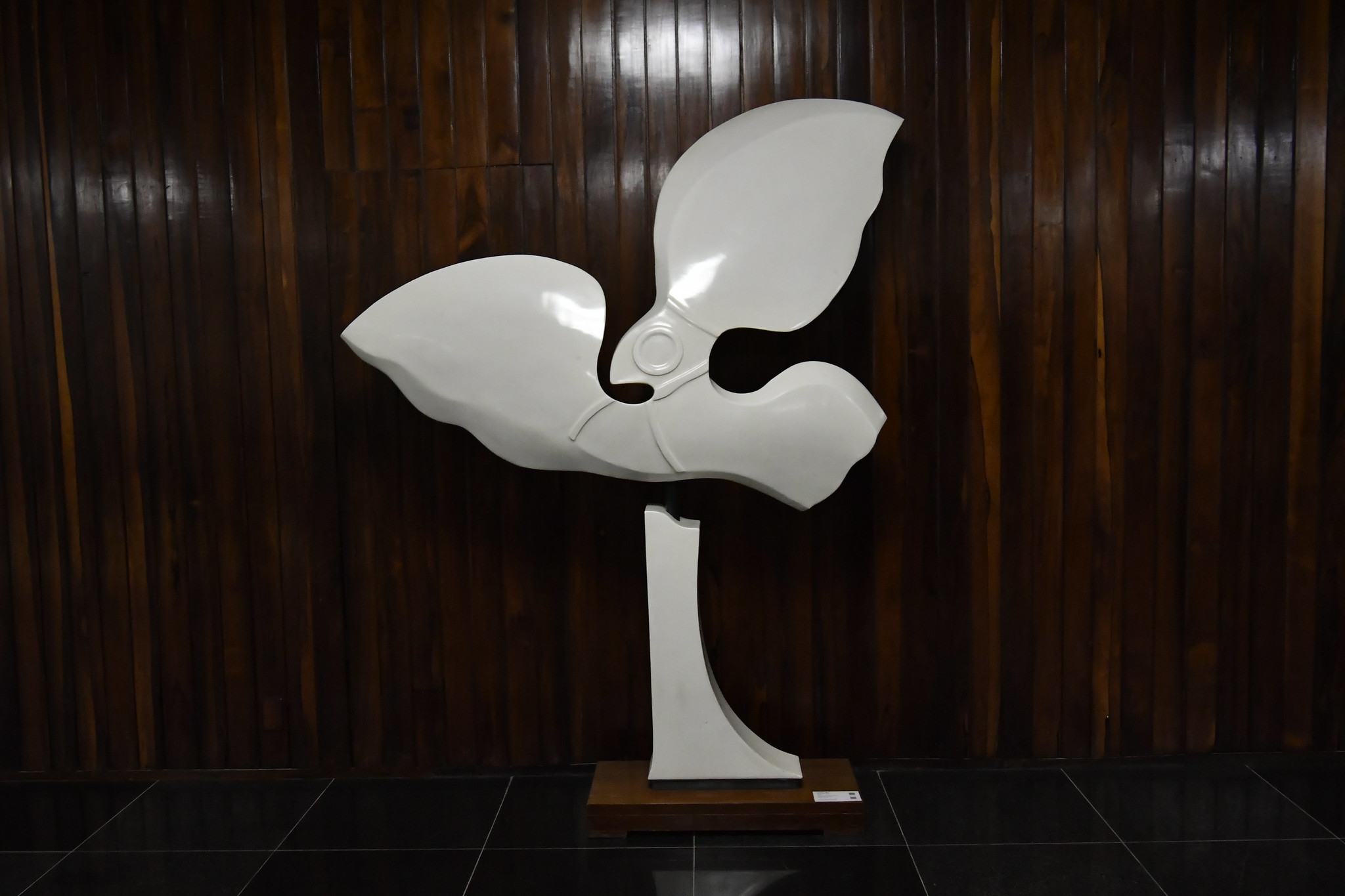
The artworks displayed in the visited areas are the heritage of all Brazilian citizens. Touching the sculptures is strictly prohibited, as is the use of flash photography for paintings.
The National Congress does not provide storage lockers for visitors.
Entry will not be permitted with the following items:
Large backpacks, bags or totes;
Backpacks worn on the back (they must be worn in the front);
Food and beverages;
Selfie sticks, tripods, and similar equipment;
Umbrellas;
Banners, posters, flags, and similar items.